
Why Teacher Development?
The Challenge
South Africa’s education sector is currently facing:
-
Critical Teacher Shortages: Projections suggest the country will need thousands of additional teachers by 2030 due to retirements and enrolment growth (DBE, 2022).
-
Low Foundational Outcomes: 81% of Grade 4 learners cannot read for meaning in any language (PIRLS 2021).
-
Fragmented School Cultures: Many schools suffer from weak leadership, low morale, and limited collaboration.
Our Response
School-Based, Community-Rooted, Leadership-Led Teacher Development
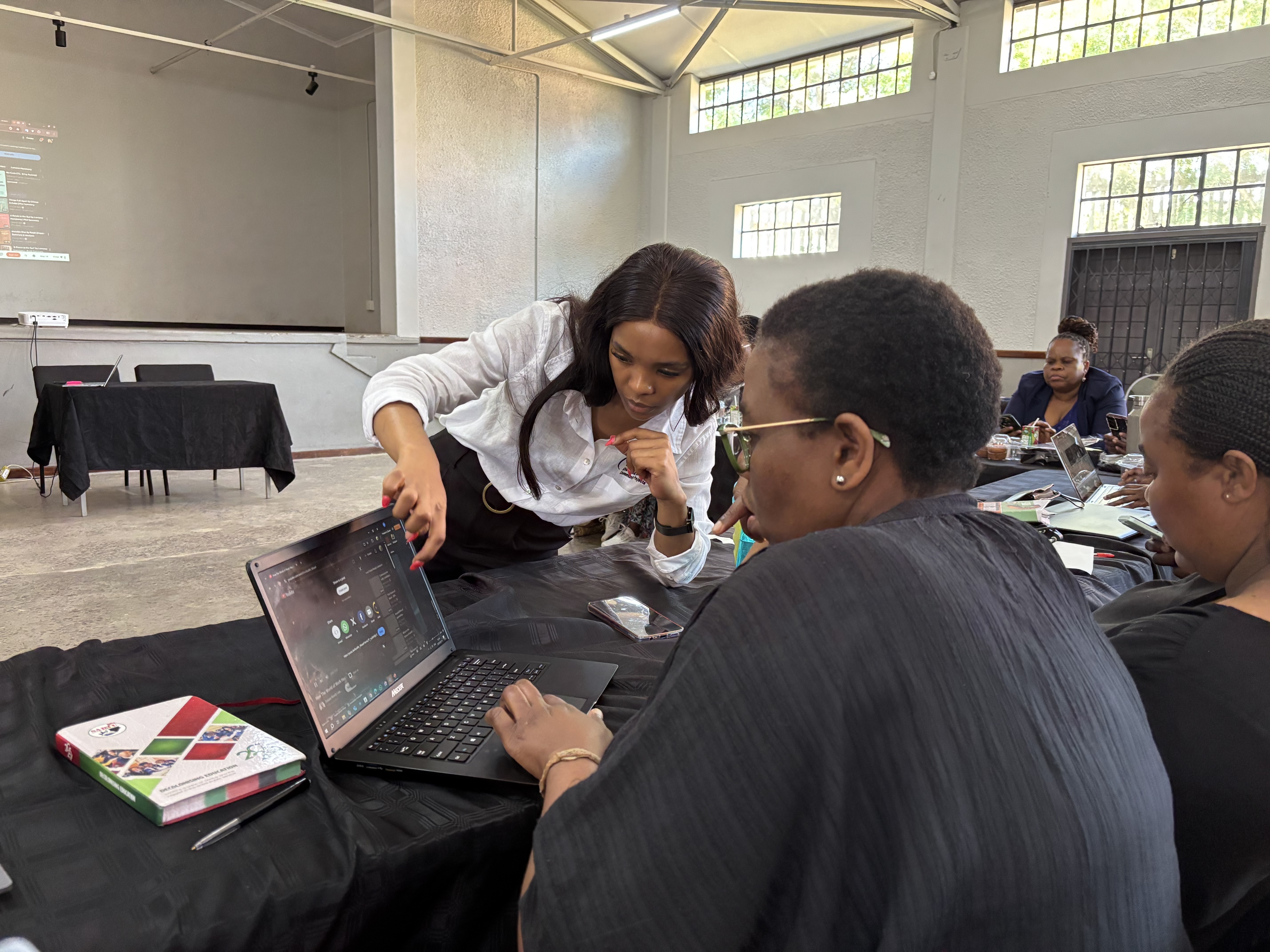
Our work is built on three core principles that ensure our interventions are sustainable and effective in under-resourced contexts:
Add In, Not Add On: We strengthen existing systems and practices within schools, rather than duplicating them with stand-alone projects. We work with teachers at the instructional core of the education system, supporting them through professional development programmes backed by the provincial government.
Resource Agnostic: Our programmes are adaptable and effective, regardless of the resource limitations of the context in which we are working.
Grounded in Practice: We work alongside teachers and schools in their own venues and communities, ensuring the development is practical and immediately applicable.
Theory of Change
Our theories of change are rooted in the belief that transformative teacher development must be school-based, community-rooted, and leadership-led.
IF school staff are supported to implement innovative, research-based teaching strategies, AND school leaders are capacitated to lead adaptive change and foster collaborative learning cultures, THEN teaching quality will improve, learner outcomes will rise, and schools will evolve into hubs of sustained community upliftment.
Cross-Cutting Themes
Across all of our programmes, we embed crucial competencies:
-
Social and Emotional Learning (SEL): We endeavour to help teachers develop the emotional intelligence and social awareness necessary to foster deep learning and resilient classroom environments.
-
Digital Competency: We promote a blend of digital and classroom learning, equipping educational professionals to be confident in blended delivery formats.
Anticipated Outcomes
-
A Strengthened Teacher Pipeline through student teacher wrap-around support: We produce classroom-ready graduates whose competence, resilience, and readiness are proven to be stronger than traditional routes.
-
Improved Learner Outcomes: Literacy and numeracy gains that actively support the National Reading Framework targets.
-
Stronger School Leadership: We foster cultures of reflection, collaboration, and continuous improvement led by capacitated School Management Teams (SMTs).
-
Sustainable Professional Learning: The creation of durable professional learning communities (PLCs) within our regional hubs.
-
Systemic Change: Improved teacher retention and resilience, contributing to the broader goal of educational equity.